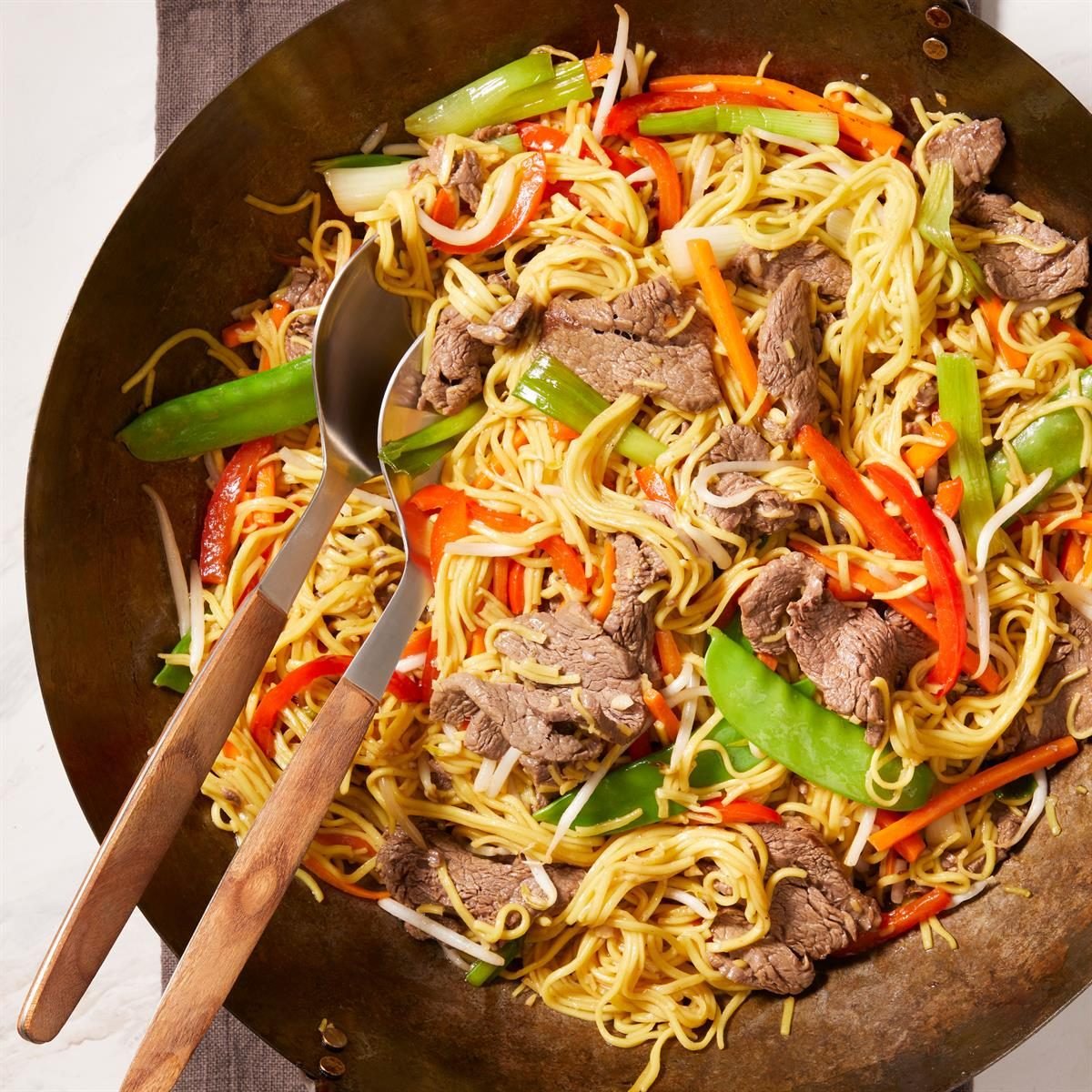
Unlock the Flavors of Versatile Beef Chow Mein: Your Ultimate Weeknight Win
Tired of the same old weeknight dinner routine? Craving the comforting, savory goodness of your favorite Chinese takeout, but with the freshness and control of a home-cooked meal? Look no further than
homemade beef chow mein. This iconic dish isn't just a beloved staple; it's a culinary chameleon, effortlessly transforming into a quick, satisfying meal that often comes together in under 30 minutes. Forget bland and boring; we're diving into the world of tender steak, vibrant vegetables, and irresistibly crispy noodles, all coated in an addictively savory sauce that truly makes
master crispy beef chow mein a standout.
What makes beef chow mein a weeknight hero? Its incredible flexibility. Whether you’re a seasoned home cook or just starting your culinary journey, this dish welcomes customization. From swapping proteins to utilizing whatever vegetables are lurking in your fridge or freezer, chow mein adapts to your pantry and your preferences. It’s a meal that tastes like you spent hours perfecting it, yet delivers restaurant-quality results with surprising speed and ease.
Chow Mein vs. Lo Mein: Understanding the Delicious Difference
Before we delve deeper into crafting the perfect beef chow mein, let's clear up a common misconception that often arises in Chinese-American cuisine: the difference between chow mein and lo mein. While both are beloved noodle dishes featuring meat, vegetables, and a savory sauce, their preparation methods are distinctly different, leading to unique textures and experiences.
The key lies in the literal translation of their names:
- Chow Mein: "Chow" means "fried," and "mein" means "noodles." So, chow mein literally translates to "fried noodles." In this preparation, the noodles are typically par-boiled or soaked, then stir-fried directly in the wok or skillet with the meat and vegetables until they achieve a delightful crispiness. This often results in a dish with a drier texture and a distinct crunch. The goal is to get those noodles slightly charred and crispy, adding a textural dimension that is central to authentic chow mein.
- Lo Mein: "Lo" means "tossed," again with "mein" meaning "noodles." Lo mein, therefore, means "tossed noodles." For lo mein, the noodles are fully boiled until tender and then tossed with the cooked meat, vegetables, and a more generous amount of sauce. The noodles in lo mein remain soft and chewy, absorbing the rich sauce, making it a saucier dish than chow mein.
Understanding this distinction is crucial for appreciating the unique character of beef chow mein. When you order chow mein, you're looking for that satisfying interplay of tender ingredients and those distinctive, crispy stir-fried noodles – a texture profile that sets it apart.
Crafting the Perfect Beef Chow Mein: Essential Components and Techniques
Achieving that "better than takeout" flavor in your homemade beef chow mein relies on balancing a few key elements: quality ingredients, a robust sauce, and proper stir-frying technique.
The Star: Tender Beef
For the beef, cuts like sirloin steak, flank steak, or even skirt steak work wonderfully. The key is to slice the beef against the grain into thin strips. This breaks down the muscle fibers, ensuring maximum tenderness. A quick marinade – even just 15-20 minutes with a touch of soy sauce, cornstarch, and perhaps a dash of sesame oil – can significantly enhance both flavor and tenderness, making for truly juicy beef pieces.
The Foundation: Crispy Noodles
The noodles are arguably the defining feature of beef chow mein. Traditional chow mein often uses egg noodles, which are perfect for stir-frying. You can find these fresh or dried in most Asian markets, and increasingly in regular grocery stores.
The trick is to cook them al dente first, according to package directions, then drain them thoroughly. Some recipes even suggest tossing them with a little oil after draining to prevent sticking. The subsequent high-heat stir-frying is where the magic happens, transforming them from soft to beautifully crispy and slightly charred. This crispy texture is what defines true chow mein, distinguishing it from its lo mein counterpart.
The Vibrant Crunch: Colorful Vegetables
This is where the versatility truly shines. A classic beef chow mein often features a medley of colorful vegetables that add both flavor and texture. Think thinly sliced carrots, crisp bell peppers (red, yellow, or green), snap peas, crunchy bok choy, sliced onions, and earthy mushrooms. You can also incorporate broccoli florets, baby corn, water chestnuts, or even a handful of bean sprouts for extra crunch at the end. Don't be afraid to use frozen stir-fry mixes for convenience – they work perfectly and cut down on prep time, making this an even quicker weeknight solution. The goal is to cook them until they are crisp-tender, retaining their vibrant color and a slight bite.
The Heart: The Savory Sauce
The sauce is the soul of your beef chow mein, tying all the ingredients together with an explosion of umami-rich flavor. A classic homemade sauce typically includes:
- Soy Sauce: The foundation of savory flavor.
- Oyster Sauce: Adds depth, richness, and a hint of sweetness and umami. Don't skip this for authentic flavor!
- Chinese Cooking Wine (Shaoxing Wine): Essential for authentic Chinese flavor, adding complexity and cutting through richness. If you don't have it, a dry sherry can be a substitute, but Shaoxing is highly recommended.
- Beef Broth: Provides liquid for the sauce base.
- Sesame Oil: Added at the end for its distinctive nutty aroma.
- Sugar: A pinch helps balance the savory and umami notes.
- Cornstarch: Used to thicken the sauce slightly, giving it a desirable glossy sheen.
Pre-mixing your sauce ingredients before you start stir-frying is a golden rule in Asian cooking (mise en place!). This ensures you can add it quickly and evenly, preventing overcooking of other ingredients.
Ingredient Swaps & Customization: Making It Yours
The beauty of beef chow mein lies in its adaptability. This isn't just a recipe; it's a template for culinary creativity.
Protein Power-Ups:
While "beef" is in the name, this dish is incredibly flexible with its protein.
- Chicken Chow Mein: Diced chicken breast or thigh is a fantastic swap. Marinate it similarly to the beef.
- Shrimp Chow Mein: Quick-cooking shrimp adds a delicate sweetness. Add them towards the end to avoid overcooking.
- Pork Chow Mein: Thinly sliced pork tenderloin or shoulder can be used.
- Vegetarian/Vegan Chow Mein: Firm or extra-firm tofu, pressed and cubed or sliced, makes an excellent plant-based alternative. Tempeh or even mushrooms can also stand in as the main protein.
Veggie Variety:
This is your chance to clean out the fridge!
- Leafy Greens: Cabbage (Napa or green), spinach, or kale can be stir-fried in.
- Cruciferous Veggies: Broccoli, cauliflower, or Brussels sprouts.
- Root Vegetables: Water chestnuts, bamboo shoots, daikon radish.
- Legumes: Snow peas, edamame.
The key is to cut all your vegetables into similar sizes for even cooking and add them in order of their cooking time (harder vegetables first, tender ones later).
Noodle Alternatives:
While traditional egg noodles are preferred, if you're in a pinch:
- Ramen Noodles: Discard the seasoning packet and use the noodles.
- Spaghetti or Linguine: While not authentic, these can be a last-resort substitute, just ensure they are cooked al dente and drained well.
Sauce Sensations:
Adjust the sauce to your palate!
- Spice it Up: Add a dash of sriracha, chili garlic sauce, or a pinch of red pepper flakes.
- Sweeter Notes: A bit more sugar or a touch of honey can enhance sweetness.
- Gluten-Free: Use tamari or gluten-free soy sauce and ensure oyster sauce is also GF if needed.
Pro Tips for Stir-Fry Success
Achieving that authentic, restaurant-quality beef chow mein experience at home is within reach with these practical tips:
- Mise en Place is Key: This French culinary term means "everything in its place." Chop all your vegetables, slice your beef, mix your sauce, and prepare your noodles *before* you even turn on the heat. Stir-frying is fast, and you won't have time to prep mid-cook.
- High Heat, Quick Cook: Stir-frying demands high heat. This ensures that ingredients cook quickly, maintaining their crispness and preventing them from steaming. If you have a wok, great! If not, a large, high-walled skillet or cast-iron pan will work.
- Don't Overcrowd the Pan: Cook in batches if necessary, especially the beef and noodles. Overcrowding lowers the pan's temperature, leading to steaming instead of stir-frying, which results in soggy ingredients.
- Crispy Noodles are Non-Negotiable: After par-boiling, ensure your noodles are dry before adding them to the hot pan. Give them time to crisp up without constant stirring; let them sit for a minute or two on the hot surface before tossing. This is the secret to getting that delicious texture.
- Freshness Factor: Using fresh ingredients whenever possible truly elevates the flavor. The difference in taste and texture is noticeable.
In conclusion, beef chow mein is more than just a dish; it's a testament to the magic of simple ingredients transformed by quick, high-heat cooking. It’s the ultimate solution for a delicious, satisfying, and incredibly versatile weeknight dinner that consistently beats takeout. By understanding the distinction from lo mein, embracing the key components, and confidently making ingredient swaps, you can create a culinary masterpiece tailored precisely to your taste. So, gather your ingredients, fire up your wok or skillet, and get ready to enjoy the rich flavors and satisfying textures of your very own
homemade beef chow mein. Your taste buds (and your schedule) will thank you!