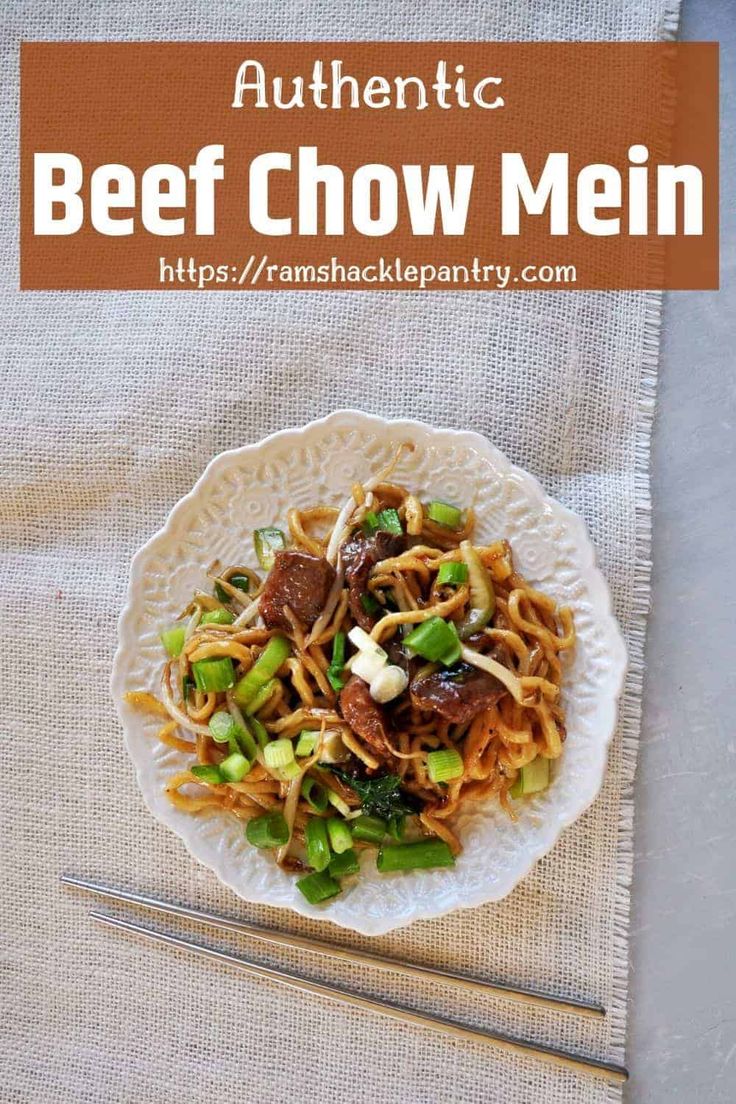
Craving that irresistible symphony of savory, tender, and most importantly, crispy textures that defines truly authentic Chinese beef chow mein? You're not alone. This beloved dish, a staple in Chinese-American cuisine, has captivated palates worldwide with its combination of juicy steak, vibrant vegetables, and perfectly stir-fried noodles coated in a rich, umami-packed sauce. While often relegated to takeout menus, mastering homemade Homemade Beef Chow Mein: Quick, Easy & Better Than Takeout is not only achievable but often surpasses the quality of your local restaurant.
The secret to unlocking this culinary magic lies in understanding its core essence: the "chow" in chow mein literally translates to "fried." It's this high-heat, rapid stir-frying technique that transforms simple noodles into golden, crispy strands, providing that essential textural contrast that elevates the dish from good to unforgettable. Forget soggy noodles; we're here to guide you through achieving that satisfying crunch, making every bite a celebration of authentic flavor.
The Allure of Authentic Crispy Beef Chow Mein
Imagine thin strips of marinated sirloin or flank steak, seared to tender perfection. Picture a kaleidoscope of fresh, crisp-tender vegetables—bright broccoli florets, vibrant bell peppers, snappy carrots, and crunchy cabbage—all maintaining their distinct character. Now, envision those elements mingling with a tangle of golden-brown noodles, each strand boasting a slightly crispy exterior and a chewy interior, all brought together by a robust, homemade sauce. This isn't just a meal; it's an experience, a symphony of textures and flavors that dance on your palate.
What truly sets homemade beef chow mein apart from its takeout counterpart is the unparalleled freshness and control you gain over the ingredients. You dictate the quality of your beef, the crispness of your vegetables, and the precise balance of flavors in your sauce. No more mystery ingredients or overly greasy results. Instead, you get a dish that's incredibly satisfying, often quicker to prepare than waiting for delivery, and bursting with a depth of flavor that only fresh, quality ingredients can provide.
Demystifying Chow Mein vs. Lo Mein: The Crispy Revelation
Before we dive into the cooking process, let's clear up a common misconception that often blurs the lines between two Chinese-American favorites: chow mein and lo mein. While both dishes feature meat, vegetables, and noodles in a savory sauce, their key difference lies fundamentally in their preparation, particularly how the noodles are treated. Understanding this distinction is paramount to mastering authentic crispy beef chow mein.
- Chow Mein: The "Fried Noodle" Dish
As mentioned, "chow" means "fried." In genuine chow mein, the noodles are typically boiled until al dente, thoroughly drained, and then stir-fried at high heat, often pressed against the hot surface of a wok or skillet, until they achieve a desirable crispiness and golden-brown char. This is the hallmark of chow mein—the textural contrast of tender fillings with satisfyingly crispy noodles. The sauce in chow mein tends to be lighter and adheres more directly to the ingredients, allowing the fried noodles to shine. - Lo Mein: The "Tossed Noodle" Dish
"Lo" means "tossed." For lo mein, the noodles are boiled until fully cooked, then drained and simply tossed together with the stir-fried meat and vegetables and a more generous amount of sauce. The noodles in lo mein remain soft and pliable, acting more as a vehicle for the thicker, often more abundant sauce.
Knowing this distinction is crucial because it informs every step of your cooking process for beef chow mein. To achieve that coveted authentic flavor and texture, your focus must be on crisping those noodles, not just softening them.
Crafting the Perfect Crispy Beef Chow Mein at Home: Ingredients & Technique
Creating restaurant-quality beef chow mein at home is a rewarding culinary journey that combines fresh ingredients with precise stir-frying techniques. Let's break down the essential components.
Key Ingredients for Success:
- The Beef: For tenderness and flavor, opt for cuts like sirloin steak, flank steak, or even beef tenderloin. Thinly slice the beef against the grain to ensure it cooks quickly and remains tender. Marinating the beef briefly (15-20 minutes) with a touch of soy sauce, cornstarch, and perhaps a hint of sesame oil will enhance its flavor and lock in moisture, creating that juicy bite.
- The Noodles: Look for fresh or dried "chow mein" noodles in the Asian aisle of your grocery store. Egg noodles are a common and excellent choice. If using dried noodles, boil them according to package directions until al dente, then drain them very well and rinse with cold water to prevent sticking. A key tip for crispiness: lightly toss the drained noodles with a small amount of oil before frying to prevent them from clumping.
- The Vegetables: This is where you can truly make the dish your own. Classic choices include shredded cabbage, carrots, bell peppers (any color), onions, broccoli florets, and snap peas. Feel free to incorporate mushrooms, bok choy, or bamboo shoots. The fresher the vegetables, the better the final texture and taste. Don't shy away from frozen mixed stir-fry vegetables in a pinch; just ensure they are thawed and thoroughly drained to avoid excess water in your wok.
- The Sauce: A homemade sauce is the heart of authentic beef chow mein. A typical savory blend includes:
- Chinese Cooking Wine (Shaoxing Wine): Essential for authentic flavor. If unavailable, dry sherry can be a substitute.
- Beef Broth: Adds depth and body.
- Oyster Sauce: Provides umami and a hint of sweetness.
- Soy Sauce: For saltiness and depth.
- Dark Soy Sauce: Optional, for a richer color.
- Sesame Oil: For aromatic finishing.
- Cornstarch Slurry: A mixture of cornstarch and water used to thicken the sauce slightly, allowing it to cling beautifully to the noodles and ingredients.
- Garlic & Ginger: Freshly minced, these aromatics are non-negotiable for building the flavor base.
Mastering the Stir-Fry Technique:
The stir-fry is a rapid-fire cooking method that demands high heat and constant motion. Precision and speed are your allies.
- Get Hot: A wok is the ideal Chinese cooking tool due to its concave shape and ability to distribute heat evenly. However, a large, high-walled skillet or cast-iron pan will work effectively. The key is to get your cooking vessel smoking hot before adding oil and ingredients.
- Sear the Beef: Add a tablespoon or two of high-smoke point oil (like peanut, canola, or vegetable oil) to your screaming hot wok. Add the marinated beef in a single layer, ensuring not to overcrowd the pan. Cook quickly for 1-2 minutes per side until beautifully browned, then remove it from the wok and set aside. Overcrowding will steam the beef instead of searing it, resulting in tough meat.
- Crisp the Noodles: This is the crucial step for chow mein. Add a bit more oil to the hot wok. Add the pre-boiled and oiled noodles. Spread them out and let them cook undisturbed for 2-3 minutes until golden brown and crispy on one side. Then, toss and continue to fry, breaking them up, until most strands have a lovely crisp texture. Remove from the wok and set aside. Alternatively, you can push the noodles to the side of the wok while stir-frying veggies and allow them to crisp there.
- Stir-Fry Vegetables & Aromatics: Add a final splash of oil. Sauté the minced garlic and ginger until fragrant (about 30 seconds). Then, add your harder vegetables (carrots, onions, broccoli) first, stir-frying for 2-3 minutes. Follow with softer vegetables (bell peppers, cabbage, snap peas), stir-frying for another 1-2 minutes until crisp-tender.
- Combine & Sauce: Return the seared beef and crispy noodles to the wok with the vegetables. Give everything a quick toss. Pour your pre-made sauce over the ingredients, tossing continuously to ensure everything is evenly coated. The sauce will thicken almost immediately. Cook for just another minute or two until heated through and well combined.
The entire stir-frying process is incredibly fast—often under 10-15 minutes once your ingredients are prepped. This speed helps maintain the vibrant color and crisp texture of your vegetables and ensures the beef remains tender.
Beyond the Basics: Tips for Elevating Your Beef Chow Mein
While the core technique is vital, a few additional insights can transform your delicious beef chow mein into a truly exceptional dish that will have your family requesting it weekly.
Ingredient Flexibility and Customization:
One of the joys of stir-frying is its adaptability. Don't feel confined to a strict list of ingredients:
- Protein Swaps: Not a beef fan? This recipe works beautifully with chicken, pork, shrimp, or even firm tofu. Simply adjust cooking times accordingly.
- Vegetable Versatility: Use whatever fresh vegetables you have on hand. Leftover cooked chicken or roasted vegetables from another meal can even be incorporated towards the end of the cooking process. For more ideas on how to swap ingredients and make this a quick weeknight dinner, explore our guide on Versatile Beef Chow Mein: Quick Weeknight Dinner & Ingredient Swaps.
Time-Saving Strategies:
This dish can easily be a 30-minute weeknight wonder with a little foresight:
- Prep Ahead: Chop all your vegetables, slice your beef, and whisk together your sauce well in advance. Store them separately in airtight containers in the fridge. When dinner time rolls around, the actual cooking takes mere minutes.
- Mise en Place: "Mise en place" (everything in its place) is critical for stir-fries. Have all your ingredients measured, chopped, and lined up next to your stove before you even turn on the heat. This prevents frantic searching and ensures nothing overcooks. For more quick and easy tips, check out Homemade Beef Chow Mein: Quick, Easy & Better Than Takeout.
Achieving That Restaurant-Quality Finish:
- Don't Overcrowd: This cannot be stressed enough. Overcrowding lowers the pan's temperature, leading to steaming instead of searing and crisping. Cook your beef, noodles, and even large batches of vegetables in stages if your pan isn't large enough.
- Taste and Adjust: Before serving, always taste your dish. Does it need more salt? A touch more sweetness (from a pinch of sugar)? A dash of spice (chili flakes or sriracha)? Adjust to your preference.
- Garnish Generously: A sprinkle of fresh green onions, toasted sesame seeds, or a drizzle of chili oil just before serving adds a professional touch and a burst of fresh flavor.
Mastering crispy beef chow mein at home is an incredibly rewarding culinary endeavor. It’s a dish that embodies comfort, excitement, and the true spirit of delicious home cooking. By understanding the distinction between chow mein and lo mein, focusing on quality ingredients, and employing precise high-heat stir-frying techniques—especially for those coveted crispy noodles—you can create a dish that not only rivals but often surpasses your favorite takeout. So, fire up your wok, gather your ingredients, and prepare to delight your senses with a symphony of flavors and textures that is truly better than takeout. Your journey to authentic, crispy beef chow mein starts now!
